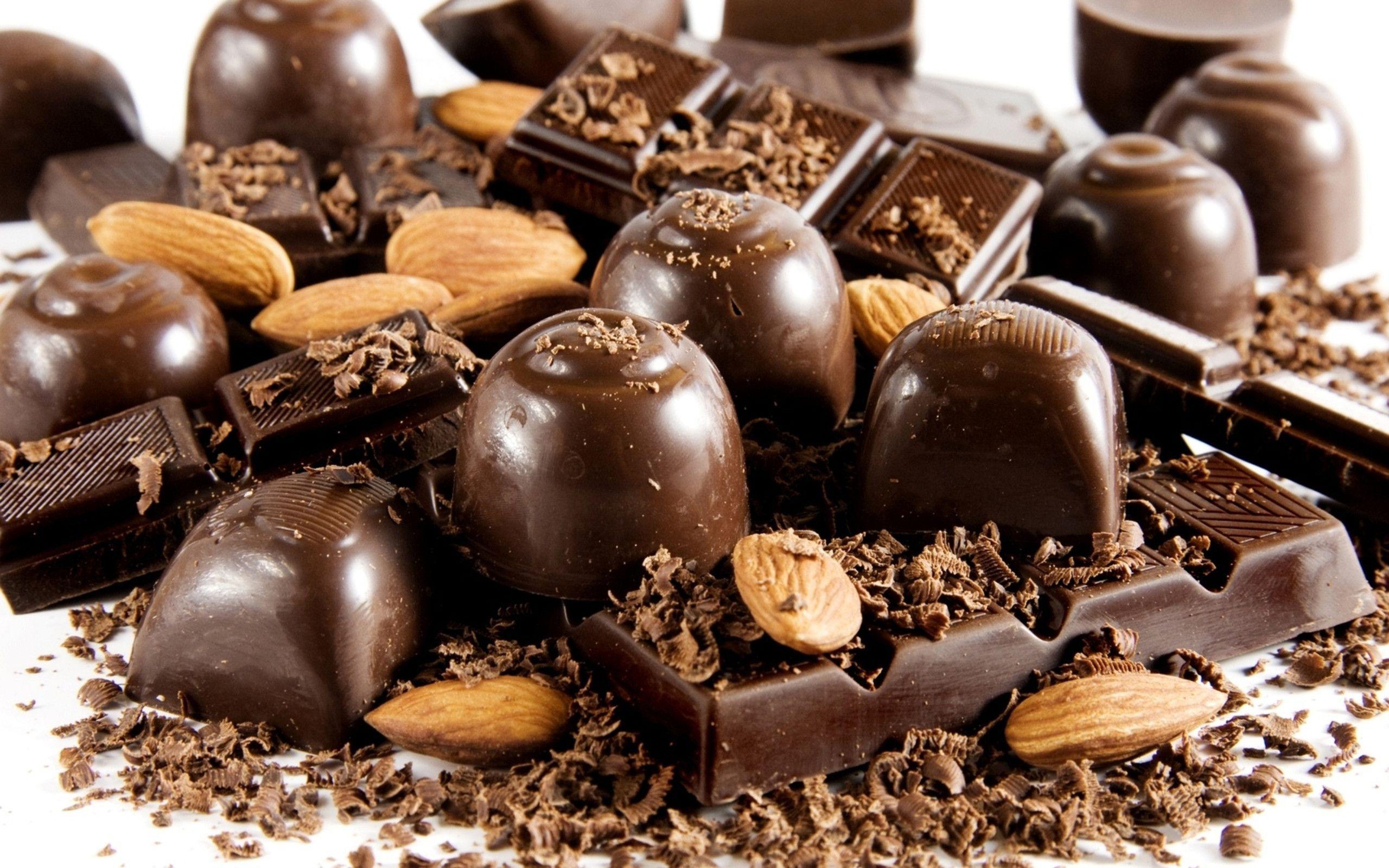
History
The Mayans of Central America are accepted to be the first to find cocoa as right on time as 900 AD. They discovered that the beans inside the cocoa units could be collected and made into a fluid that would turn into a loved Mayan treat.
Mayan chocolate was altogether different than the chocolate we know today. It was a fluid produced using pounded cocoa beans, stew peppers, and water. (There was no sugar in Central America.) They poured the fluid starting with one container then onto the next until the point that a foamy froth showed up to finish everything. Truth be told, the word 'chocolate' is said to originate from the Mayan word 'xocolatl' which signifies 'severe water.'
Read more about the history of chocolate by clicking here
To Make XOCOLATL: (SHOW-CO-LA-TIL)
- Expel beans from cocoa units.
- Age and dry them.
- Broil them on a frying pan until done.
- Expel the shells and granulate the seeds into a fine glue.
- Blend glue with water, stew peppers, and cornmeal.
- Pour the subsequent blend forward and backward from pot to container until the point that foamy froth creates to finish everything.
- Present with satisfaction in finely adorned stoneware containers.
In the 1850s, Englishman Joseph Fry changed my life by adding more cocoa butter, rather than hot water, to cocoa powder and sugar. The world’s first solid chocolate was born.
In 1875, Daniel Peter and Henri Nestle added condensed milk to solid chocolate, creating a milk chocolate bar.

In 1879, Swiss chap Rudolphe Lindt invented the conch, a machine that rotated and mixed chocolate to a perfectly smooth consistency.

Advertising and World Wars (where soldiers got chocolate as part of their rations) just kept increasing the popularity of the stuff. Today, over 3 billion tons of cacao supplies a 35 billion dollar chocolate industry.

Chocolate history has had its dark side. Slave-like conditions and child labor still produce much of the world’s chocolate. Gazillions of acres of rainforest have been razed to make room for cacao trees. Yucky tasting Forastero beans threatened to take over entirely.
Fortunately, some new trends have sprung up. You might say chocolate history is returning to its roots. Chocolate connoisseurs are buying more and more Fair Trade and single origin chocolates, which help ensure better working conditions for farmers and help preserve higher quality cacao varieties, like criollo. The higher quality beans are grown in an environment that is very close to natural, thereby helping preserve the rainforest. And chocolate snobs devote more time to savoring the chocolate rather than shoveling it in. That’s got to save a few trees right there.

You too can help start a new chapter in chocolate history by becoming a connoisseur yourself, and refusing to eat all but the best chocolate–life is rough.
read this for more >> The world altas of chocolate
Sorts Of Chocolate
Chocolate is cherished in any frame, shape and fixation. Be that as it may, in the event that you need to dive into the points of interest of the distinctive assortments of chocolate, might be for your kid's class paper on chocolate for kids, continue perusing.

Mixed chocolate contains crude chocolate, cocoa margarine and sugar in particular amounts to give an unpleasant and sweet taste in each chomp. Dim chocolate is a sort of ambivalent chocolate, likewise called semisweet chocolate.

In fact, white chocolate isn't chocolate as it doesn't contain chocolate alcohol, yet it might contain no less than 20% chocolate alongside a lot of drain solids and sugar.

Cacao powder is the powder of the cacao beans, less the shell. It is utilized to influence chocolate to drain or hot cocoa drink. It contains around 20% of fat from cacao spread.

Chocolate alcohol is a smooth chocolate fluid, without liquor. It is made by crushing the cacao beans into a cover glue and contains up half cacao spread.

Unsweetened chocolate is unadulterated chocolate made by solidifying chocolate alcohol and is frequently utilized as a part of preparing. It is otherwise called heating chocolate, unadulterated chocolate or intense chocolate.

Ground chocolate is essentially sweet chocolate powder, made by beating a bar of chocolate. It isn't to be mistaken for cacao powder.

Fun facts about chocolate:
- The word chocolate is gotten from the Mayan word 'Chocol,' which means a hot drink. The unpleasant, hot drink was called 'Xacoatl' by the Aztecs.

- Chocolate was once viewed as more profitable than gold tidy. Envision that!
- The logical name of the cocoa plant is Theobroma cacao, where Theobroma signifies 'sustenance of the divine beings (food of gods)'.
- A genuine chocolate waterway was made utilizing water, chocolate and cream for the motion picture Willy Wonka and the Chocolate Factory. It stank following a couple of days!
- White chocolate isn't chocolate, since it contains no cocoa.
- Ruth Wakefield made the primary chocolate chip treat in 1930, unintentionally. She gave the formula to Nestle as an end-result of a lifetime supply of chocolate.
- Amid the progressive war, a couple of fighters were paid in chocolate!
- Montezuma, the Aztec sovereign, expended 50 challises of chocolate consistently.

- Do you know why chocolate liquefies in your mouth? Since it is the main nourishment that melts at 93 degrees Fahrenheit, underneath the normal human body temperature.
- The Aztecs and the Mayans utilized chocolate drink as a pressure reliever, route before the term 'stretch' was begat!
- A minor chocolate chip can give you enough vitality to walk 150 feet.
- The possess a scent reminiscent of chocolate is sufficient to unwind you! Obviously, the aroma of chocolate builds theta cerebrum waves that guide in unwinding. No big surprise individuals have a tendency to eat chocolate when they have issues.
- The state of the cacao unit seems to be like a football, and it develops straight out from the branches.
- Chocolate contains a chemical called phenylethylamine, which discharges the 'joy' hormones in the cerebrum, an inclination much the same as being 'infatuated'.

- The world's greatest chocolate bar weighed 12,770lbs.
- Chocolate-plunged potato chips exist, no doubt!
- Chocolate can be deadly to puppies and felines.
- Belgium issued restricted release chocolate-seasoned stamps in 2013.
- A normal American devours right around 4.5kg of chocolate consistently.
- Cacao trees can develop as old as 200 years, yet they deliver attractive sort of cocoa beans just for initial 25 years of their life. In one year, a cacao tree delivers around 2,000 units.
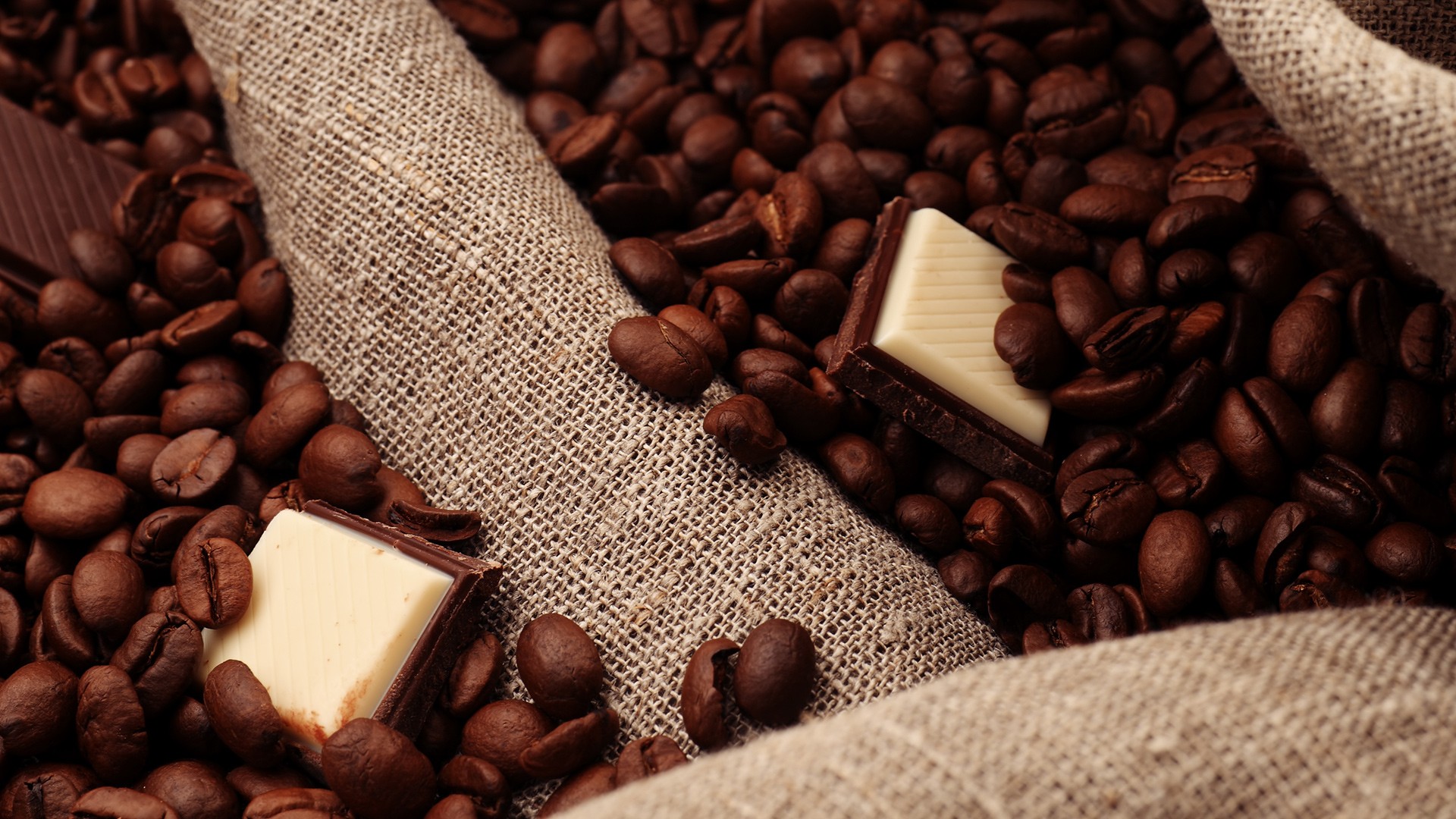
- After the ranchers pick the methods from the tree, they mature and dry them. The procedure may take up to half a month. After the seeds turn totally dry, the seed compasses to the industrial facility site where the makers plan chocolate through the particular formula.
- Once the chocolate achieves the production line site, the beans are legitimately cleaned, arranged and weighed. Every one of the particular makers uses diverse sum and sort of beans to plan changed sorts of chocolate. Some of the time, the producer may even expect ten to twelve various types of beans to make some particular variety of chocolate.
- The whole procedure of assembling a chocolate confection or bar may take very nearly seven days.

- Chocolate plant develops plentifully in Central and South America, yet for business needs makers likewise develop the trees all through the tropical district.
- The cases develop gradually all through the diverse time. On the off chance that the pod seems sticky and whitish, the seeds are severe in taste.
- Ivory Coast produces 40% of the world's cocoa supply.
- Around 400 cocoa beans are utilized to make one bar or chocolate.
- It is a known fact that chocolate has caffeine in it. There are about 5 to 10 mg of caffeine in one ounce of bitter chocolate, 5 mg in milk chocolate, and 10 mg in a six-ounce cup of cocoa.
- People spend more than $7 billion dollars a year on chocolate.
For more,click here to read.
Comments
Post a Comment